

You’ve finally chosen to get veneers, and you’re already picturing your new smile, but then comes the news about a cavity or some bleeding gums. Here’s the good news: you can often still get veneers, but most dentists want to treat decay and gum disease first so your results look natural and last over time.
At White Smiles Family Dentistry in Orem, Utah, we check your teeth and gums before recommending porcelain veneers. Dr. Jeremy White and Dr. Darren Gardner bring more than 40 years of combined experience to our practice, and we use that background to build a plan that fits both your smile goals and your oral health.
Why Your Teeth and Gums Come First
Veneers are thin porcelain shells that bond to the front of your teeth. They can change your smile’s shape, color, and size, but they cannot treat disease underneath. Think of a veneer like fresh paint on a house. If the walls behind it are damaged, the paint doesn’t fix the problem. Treating those issues first also gives you a better chance at a smile that lasts.
Because a veneer sits right at the gumline, both the tooth and the surrounding tissue matter. Solid tooth structure gives the veneer something strong to bond to, and calm, stable gums help the edges fit well and look natural. That is why we treat a healthy foundation as step one for every cosmetic dentistry plan, including veneers.
What Happens if You Have a Cavity?
Cavities do not heal on their own, and a veneer cannot stop decay from growing. If a veneer covers a tooth with active decay, the problem may keep spreading underneath where you cannot see it. That can lead to pain, early veneer failure, or the need for a larger repair down the road. Treating the cavity first protects both your tooth and your investment in veneers.
The fix is often simple. Our digital X-rays and intraoral cameras help us spot decay early during a routine visit, and we can restore the tooth before moving on to your veneer plan. Once the tooth is healthy again, you may be able to move forward with veneers on that tooth.
What About Gum Disease?
Gum disease is common, and it often starts quietly. The CDC reports that about 42% of adults aged 30 and older have periodontitis, the more serious form of gum disease. The earlier stage, called gingivitis, causes red, swollen, or bleeding gums and can often be reversed with good home care and professional treatment.
Inflamed gums may bleed, swell, or pull back, which makes it harder to place veneers with clean, precise edges. When the bone around a tooth weakens, that tooth may not be stable enough to support a veneer long term. For that reason, we usually want your gums healthy and stable first. Depending on what we find, your plan may include gum disease treatment and a home care routine that we can walk you through.
What to Expect at Your Veneer Consultation
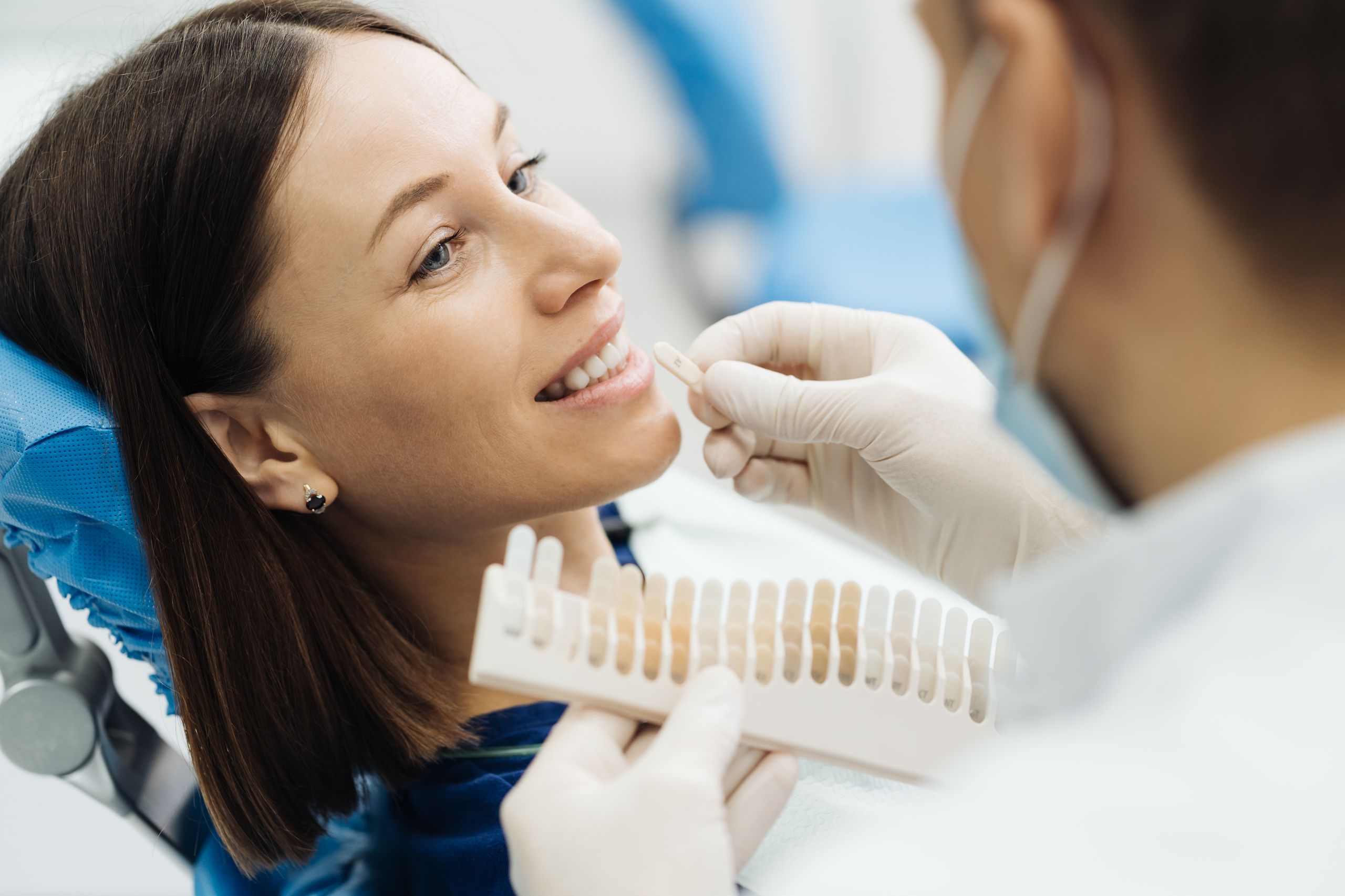
A veneer consultation at our Orem office starts with a close look at your overall oral health. Here is what we may review with you:
- Digital X-rays: These help us check for hidden decay and the health of the bone around your teeth.
- Intraoral camera images: These give us a close view of each tooth and your gums.
- Gum evaluation: We look for swelling, bleeding, and other signs of gum disease.
- Smile goals: We talk through the shape, shade, and overall look you want.
If we find a cavity or gum concerns, we explain your options in plain language and map out a treatment order that makes sense for you. If veneers aren’t the best fit, we can also talk through other options, like those in our overview of cosmetic dentist procedures.
Find Out If You Are Veneer-Ready at White Smiles Family Dentistry
Whether you need a filling, gum care, or both before veneers, we are here to help you move forward at a comfortable pace. Our Orem office offers warm blankets, free on-site parking, text appointment reminders, and Spanish-language support, and our team treats every patient like a member of our own family.
If you are ready to find out where you stand, contact our office to schedule a visit with our team at White Smiles Family Dentistry. We can review your teeth and gums, talk through your smile goals, and help you plan a healthy path to the smile you want.